My Master Thesis at Cal Poly
For my thesis, I partnered with fellow classmate Douglas Ridley to create a plan for the 55+ community at a development in Santa Barbara County called Solomon Hills. What makes this development especially unique is that the goal is to create a “new town” with a mixed-use shopping district at its heart. The developers also want cycling to be the primary mode residents travel throughout the town.
As part of the Thesis process, we met with the Solomon Hills developers to gain a better understanding of their goals, toured the project site, visited a nearby existing retirement community called Monarch Dunes to create a case study, and researched various case studies from across the world. Each case study was either written entirely by Douglas or myself. My favorite case study was of Houten, The Netherlands—a town designed from scratch for biking and walking in the 1980s. All of this culminated in a report that took the best practices from existing developments to create a suggested layout for the 55+ community at Solomon Hills.
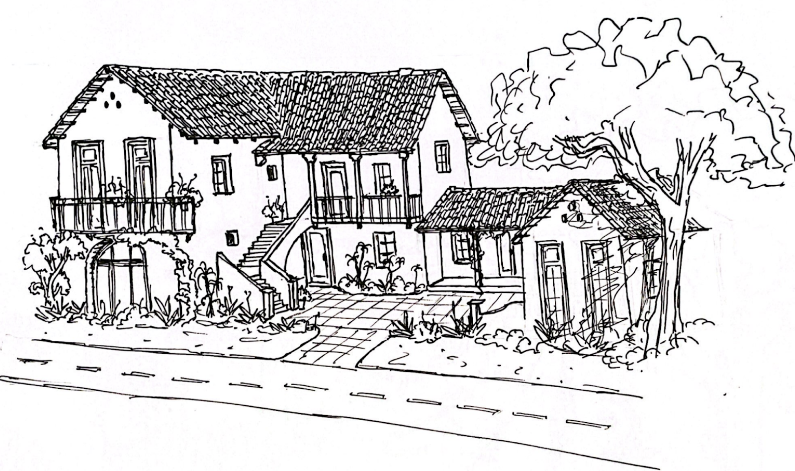
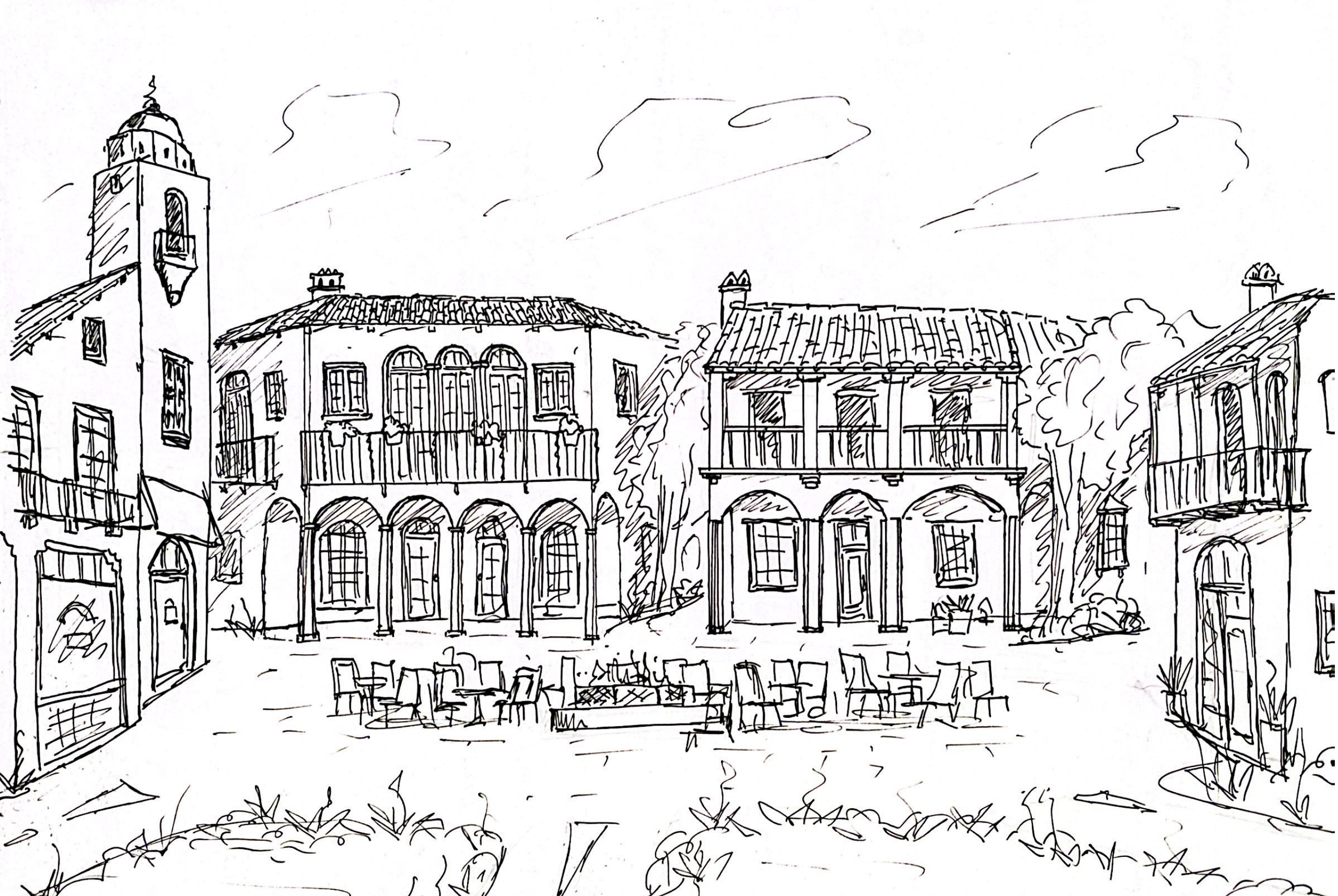
The final chapter of the Thesis contains 3D renderings created by Douglas and artwork created by me, with a site layout created by both of us.
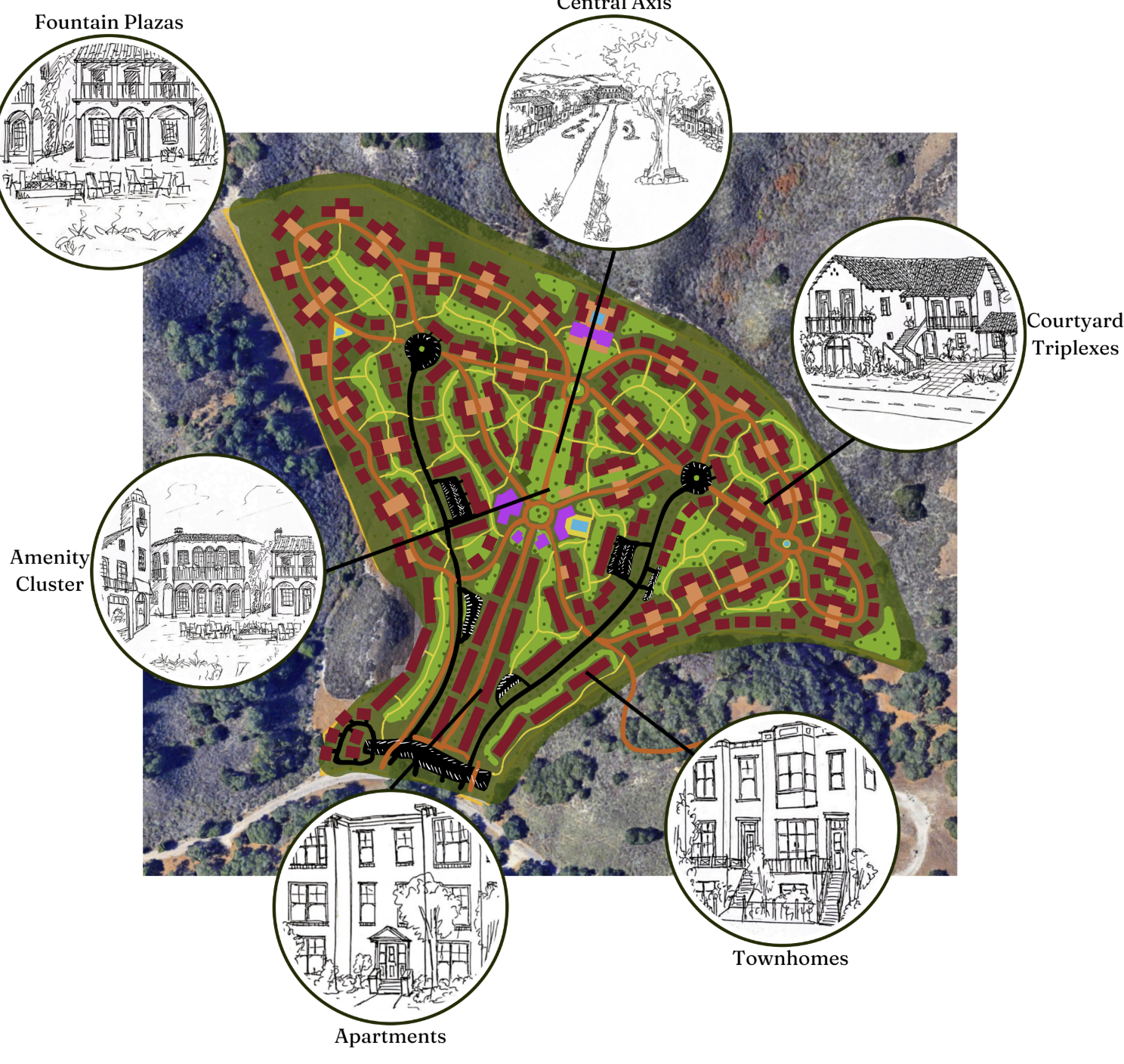
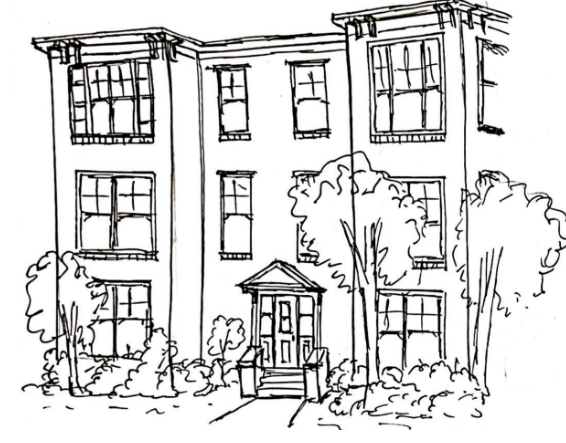
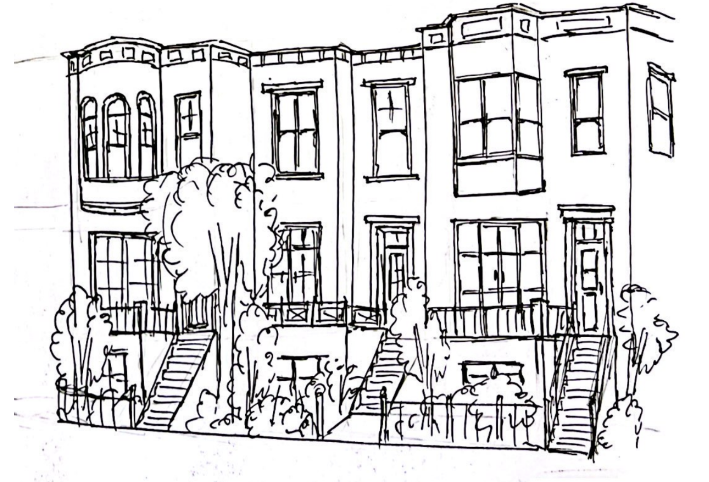
We imagine various housing typologies, including apartments, townhomes, and duplexes.
Designing for Cyclists and Pedestrians
Inspired primarily by Houten, we imagine a community with abundant pedestrian and cycling paths, with limited car access.
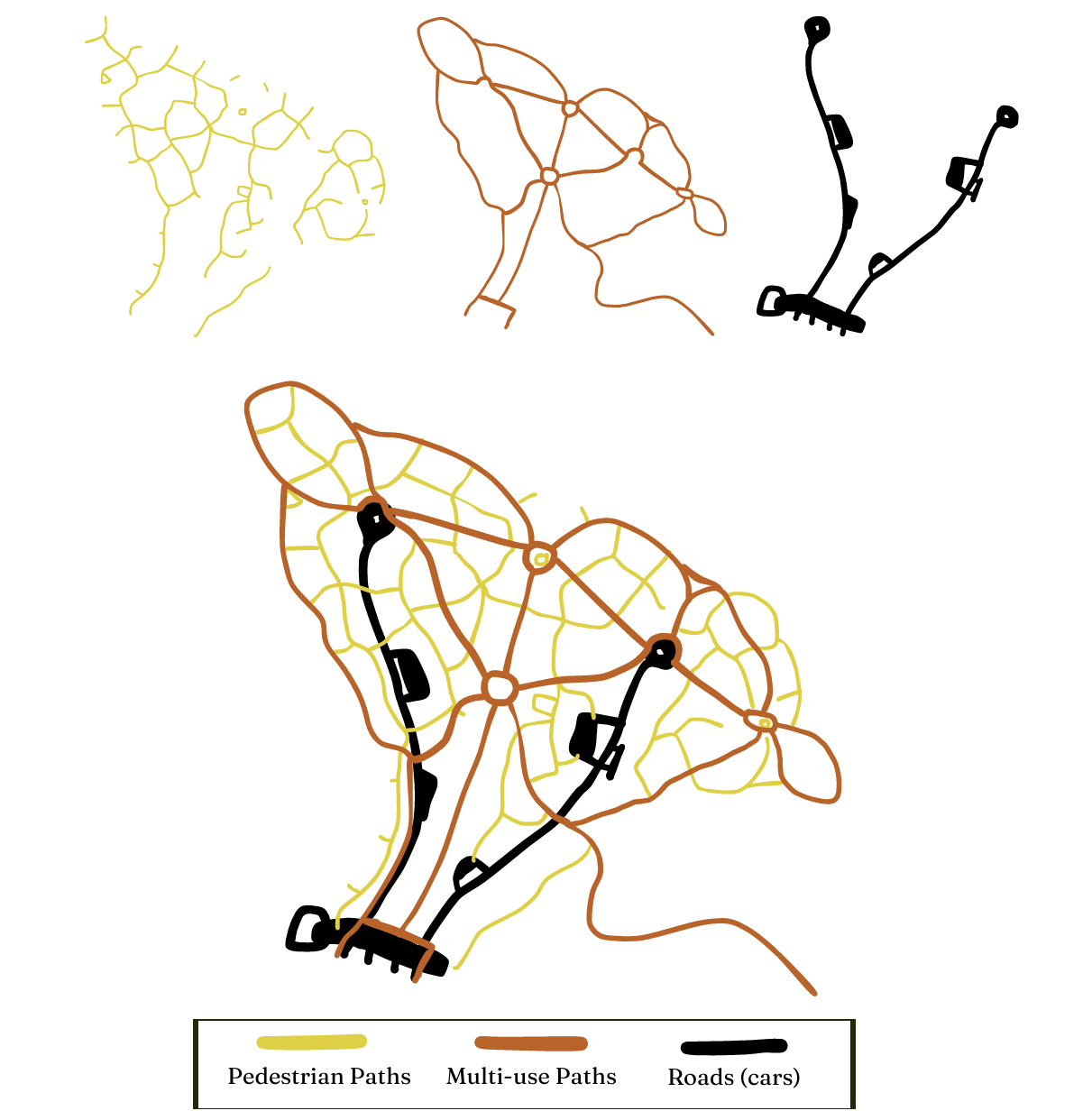
Creating limited car access throughout the community is inspired by the Cayalá, Cul de Sac, Houten, Seulo, and KNMM case studies. Limited car access will make walking and biking safer, limit traffic noise, make the community more aesthetically pleasing, and encourage walking and biking. Similar to Houten, we recommend the 55+ Community in Solomon Hills have only two main roads going into the community, each with speed bumps and small covered parking lots on either side. These roads will not connect but will dead-end in parking areas, meaning residents will always have a shorter journey by bike or on foot to reach destinations within the community, including parks and amenity spaces. Also, no garages will punctuate the facades of residential buildings, eliminating driveways cutting across sidewalks; a New Urbanist design principle seen in Baldwin Park, Seaside, and Port Warwick.
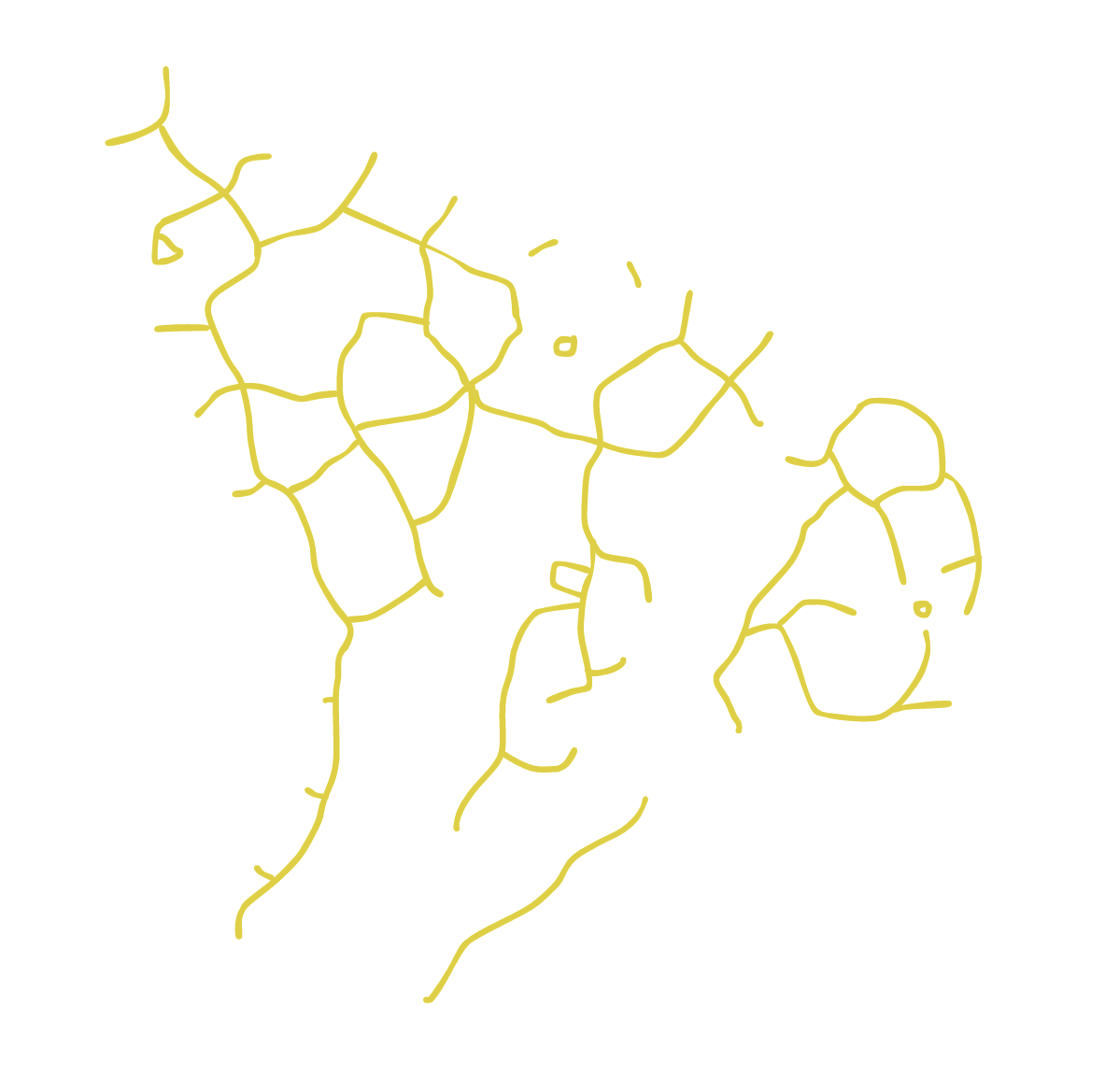
The image on the left shows Pathway hierarchies from lowest-speed pedestrian-only paths (yellow), medium-speed Multi-use paths (orange), and highest speed roads with cars (black). These paths can also be categorized by allowable vehicle weights, from lowest to highest, as suggested by Delucchi and Kurani.
A Central Axis
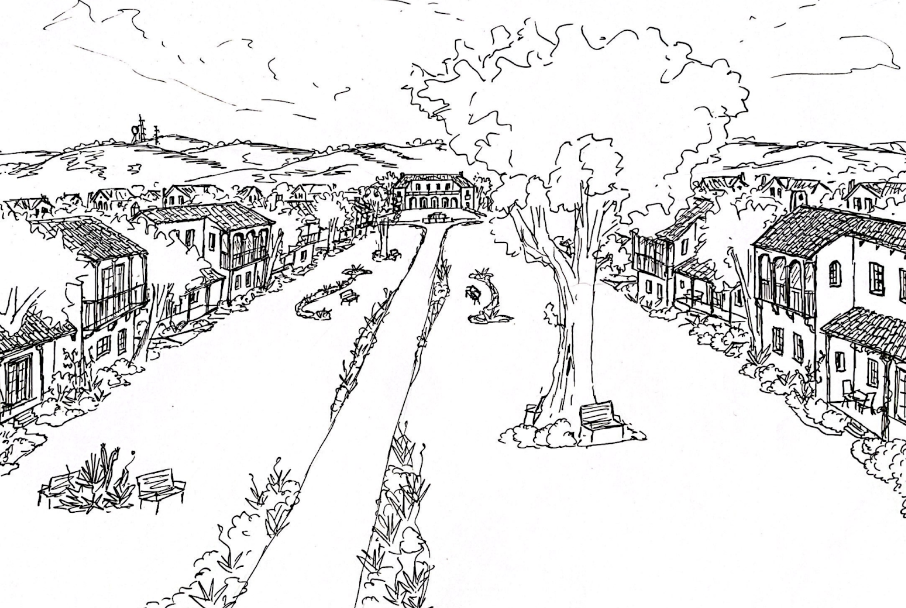
Having the community designed around a central axis is inspired by the Casa Dorinda, Houten, Seaside, and Port Warwick case studies. A central axis will create a natural gathering space for everyday activities and larger events, as seen at Casa Dorinda and Port Warwick. It will alsocreate an aesthetically pleasing space at the heart of the community. This axis is shown below